We may earn money or products from the companies mentioned in this post.
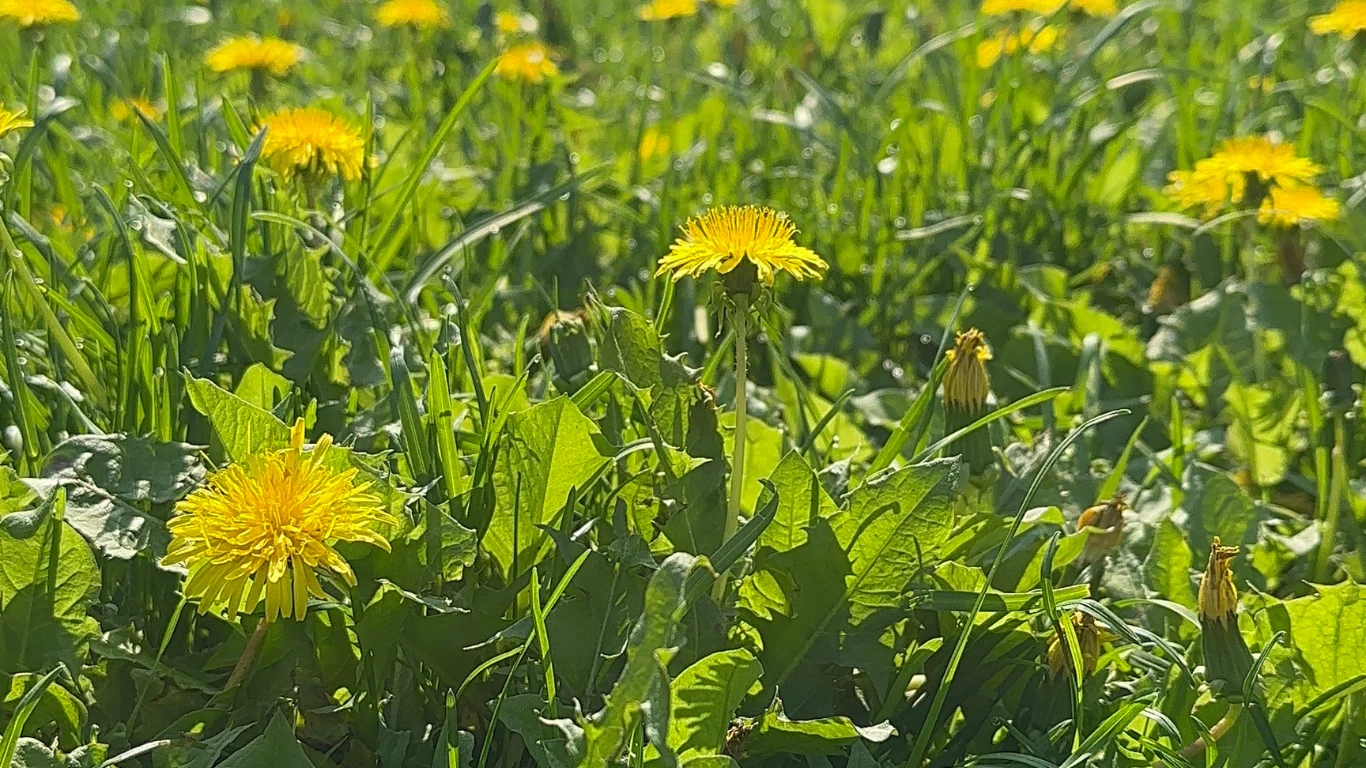
When we think of dandelions, most of us picture cheerful yellow blooms scattered across spring lawns. Often labeled a pesky weed, this resilient plant is in fact one of the most generous herbal allies found in the wild. From its root to its leaves and flowers, every part of the dandelion (Taraxacum officinale) offers healing potential. For centuries, herbalists and folk medicine practitioners have turned to this powerful plant for its wide range of medicinal benefits—through dandelion tea, tinctures, salves, and infused oils.
Let’s explore the rich history of this plant and the distinct benefits of its various preparations.

A Brief History of Dandelion in Herbal Medicine
Dandelion has been revered across cultures for centuries. Traditional Chinese Medicine used dandelion to clear heat and support liver health as early as the 7th century. In Ayurveda, the root was used to support digestion and detoxification. In Europe, especially during the Middle Ages, dandelion was a respected remedy for ailments related to the liver, kidneys, and digestion.
Early American settlers brought this revered plant with them from Europe, planting them intentionally in gardens and apothecaries. Indigenous communities also adopted the plant into their own healing practices, using it for everything from skin conditions to stomach complaints.
Despite its modern label as a weed, dandelion has earned its place as a foundational plant in folk herbalism—and its legacy continues to thrive today.

Dandelion Leaf: Bitter Greens for Detox and Vitality
The leaves of the dandelion are among the first tender greens to appear in spring. They’re deeply nourishing and rich in minerals such as calcium, potassium, and magnesium, as well as vitamins A, C, and K. Herbalists often turn to the leaves as a natural diuretic, helping to reduce water retention and gently support the kidneys.
Tea Benefits of Dandelion Leaf:
Steeping the fresh or dried leaves into a tea is a simple way to enjoy its benefits. This leaf tea supports liver detoxification, aids digestion, and can reduce bloating thanks to its mild diuretic action. It’s a lovely daily tonic during the spring months when the body naturally seeks renewal.
How to Use:
- Tea: Steep 1 tablespoon of dried dandelion leaf in hot water for 10–15 minutes.
- Salads or Pesto: Young leaves can be eaten raw for a nutrient-rich green boost.
Dandelion Root: Deep Medicine for Liver, Digestion, and Blood Sugar
The roots of the dandelion dive deep into the earth, pulling up minerals and grounding energy. Traditionally harvested in fall or early spring, the roots offer a stronger and more bitter medicine than the leaves—perfect for supporting the liver, gallbladder, and digestive system.
Root Benefits:
Dandelion root is a gentle liver tonic, supporting bile production and detox pathways. It’s also known to help stabilize blood sugar, improve digestion, and act as a mild laxative. The bitterness stimulates digestive juices, making it especially helpful before meals.
Dandelion Root Tea Benefits:
When roasted and brewed, dandelion root tea takes on a rich, earthy flavor—some even use it as a coffee substitute. Drinking dandelion root tea supports the liver, eases constipation, and helps balance the microbiome in the gut.
How to Use:
- Tea: Simmer 1–2 teaspoons of dried or roasted dandelion root in water for 15–20 minutes.
- Tincture: Tincturing the root in alcohol captures its deeper medicinal properties and allows for easy daily dosing—especially supportive for sluggish digestion and liver stagnation.

Dandelion Flower: Sunlight for Skin and Spirit
The golden blossoms of the dandelion are not only beautiful but also healing. They contain antioxidants and anti-inflammatory properties, making them a favorite for topical applications.
Oil & Salve Benefits:
Infusing the flowers into oil creates a soothing topical remedy for sore muscles, joint inflammation, dry skin, and even eczema. When turned into a salve, it becomes a balm of sunshine that can ease aches and bring comfort to hardworking hands.
How to Use:
- Infused Oil: Dry flowers completely (to avoid mold), then steep in olive or another carrier oil in a sunny window for 2–3 weeks. For a more potent infusion, steep in a dark cabinet, out of direct sunlight for 6 weeks.
- Salve: Combine dandelion-infused oil with beeswax for a nourishing salve perfect for skin care or massage.
Dandelion Tincture: Concentrated Support in Every Drop
Tinctures are an excellent way to capture and preserve the full spectrum of dandelion’s benefits. Whether made from the root, leaf, or a combination, dandelion tincture is a powerful addition to any herbal apothecary. If you want to try your hand at crafting your own, you can delve into my full guide: How to Make a Dandelion Tincture.
Tincture Benefits:
Dandelion tincture offers targeted support for the liver and digestion, particularly for those with sluggish metabolism, skin issues, or hormone imbalances that stem from poor detoxification. It can also be used for gentle blood purification and kidney support.
How to Use:
Take 1–2 droppersful (about 30–60 drops) in a little water before meals to support digestion and detoxification.

Harvesting & Sustainability Tips
Dandelions grow abundantly, but mindful harvesting is still important. Always harvest from unsprayed areas—avoid roadsides, lawns, or parks that may be treated with chemicals.
- Leaves: Best harvested in early spring when they’re tender and least bitter.
- Roots: Harvest in early spring or late fall, when energy is stored underground.
- Flowers: Pick on a dry, sunny day and use immediately or dry for later use.
Remember to give thanks to the plant and never take more than you need. The dandelion offers herself freely, but we should always return the favor with respect.

Closing Thoughts
Dandelion may appear humble, but within its roots, leaves, and golden blossoms lies a deep well of wisdom and healing. Whether you’re sipping dandelion tea for daily detox, applying a flower salve to tired joints, or taking a root tincture to support your liver, this plant meets you where you are—with grounded resilience and gentle power.
In the words of an old folk saying, “If you see a dandelion, say thank you—the Earth is offering you medicine.”